
What You Actually Need to Survive the Fourth Trimester
I have officially survived the fourth trimester! Please… clap for me.
If you’re unfamiliar with the phrase, the “fourth trimester” is the first three months after your baby is born. It is fragile and magical and also deeply disorienting. You’re learning a brand-new person’s cues while recovering from labor, figuring out feeding, existing off short stretches of sleep, and trying to remember whether you brushed your teeth.
Add to that, you’re staring at a closet or nursery full of things you were told you needed and wondering which newborn essentials will actually work for you and your tiny person.
Having my second baby more than a decade after my first showed me that baby gear has come a long way! Some newer products are genuinely so cool and make the newborn stage easier (and prettier) for us. Others are lovely in theory, but completely unnecessary in real day-to-day life.
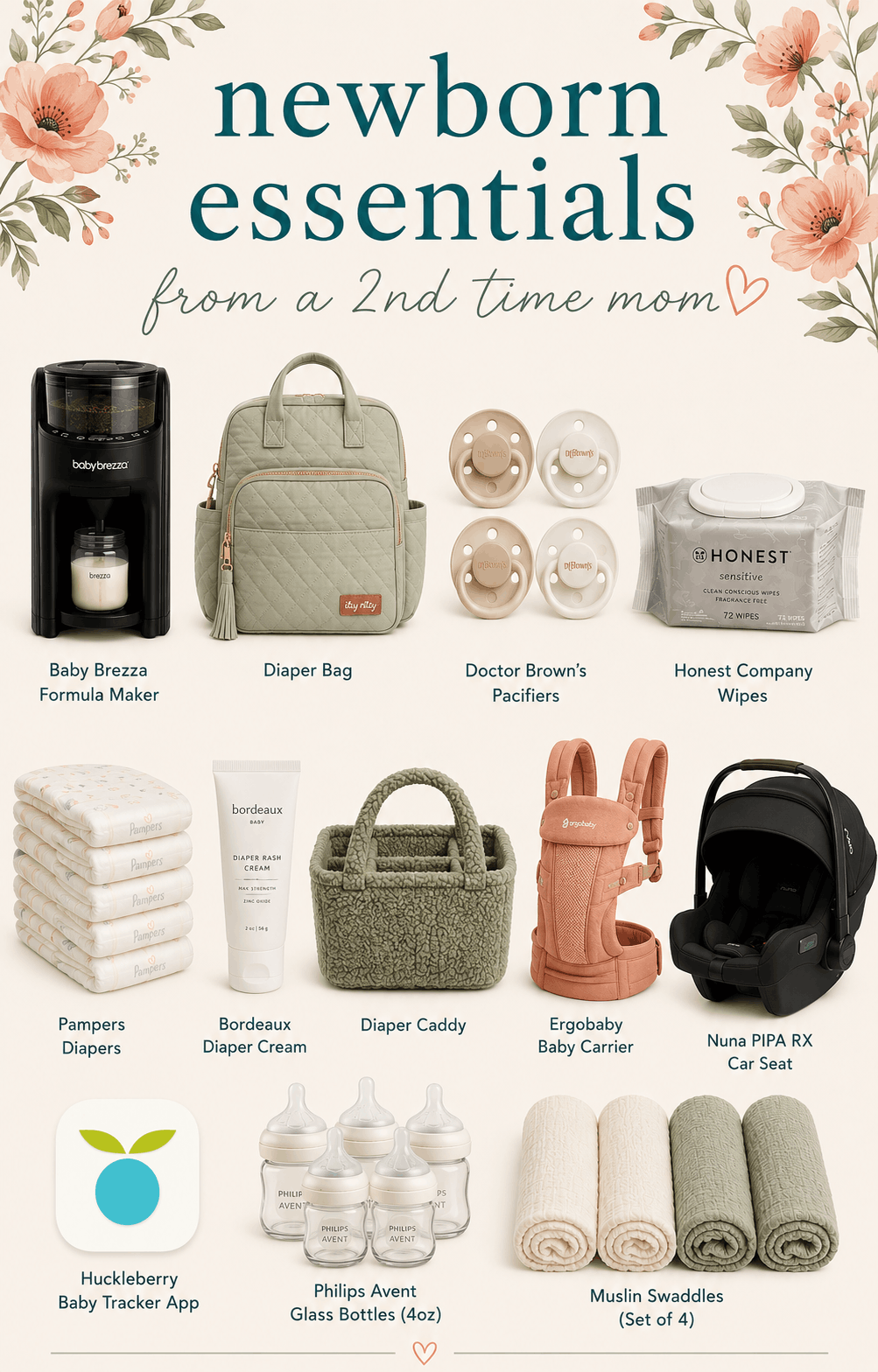
Below, I’ll detail the newborn essentials that helped me get through the fourth trimester. And I’ll list a few things you can skip or wait to buy until your baby makes their preferences clear. This is not meant to be a list of every possible thing you could buy for your baby.
Necessary disclaimer: This post reflects my personal experience and is not medical advice. For questions about your baby’s sleep, feeding, medication, or health, follow your pediatrician’s and postpartum care provider’s guidance.
Newborn Essentials for Sleep and Soothing
Newborn sleep can make you feel like you’re trying to solve a Rubik Cube while blindfolded! You don’t need to complicate that by attempting to create and maintain a perfectly styled nursery to get through it. But you do need a safe sleep plan and a few tools to make the long nights more manageable.
The American Academy of Pediatrics recommends placing babies on their backs for sleep in their own firm, flat sleep space with no loose bedding or other people in the sleep space. And they especially recommend room-sharing without bed-sharing.
I bought a bedside sleeper and, candidly, didn’t use it. Baby girl needed closeness, and I found myself needing the same. That was our real fourth-trimester experience, even though it was not “recommended”, and we made it as safe as possible. If you find yourself struggling with sleep arrangements, bring it up with your pediatrician early. You deserve practical, judgment-free support in building the safest plan possible for you.
For daytime naps, we held her often. We also used a newborn lounger while she was awake and supervised. (But its important not to treat loungers, swings, car seats, or other baby containers as routine sleep spaces.)
The newborn sleep essentials I reached for most often were:
A sleep sack. Baby girl loved a fluffy sleep sack and so it became part of our bedtime rhythm.
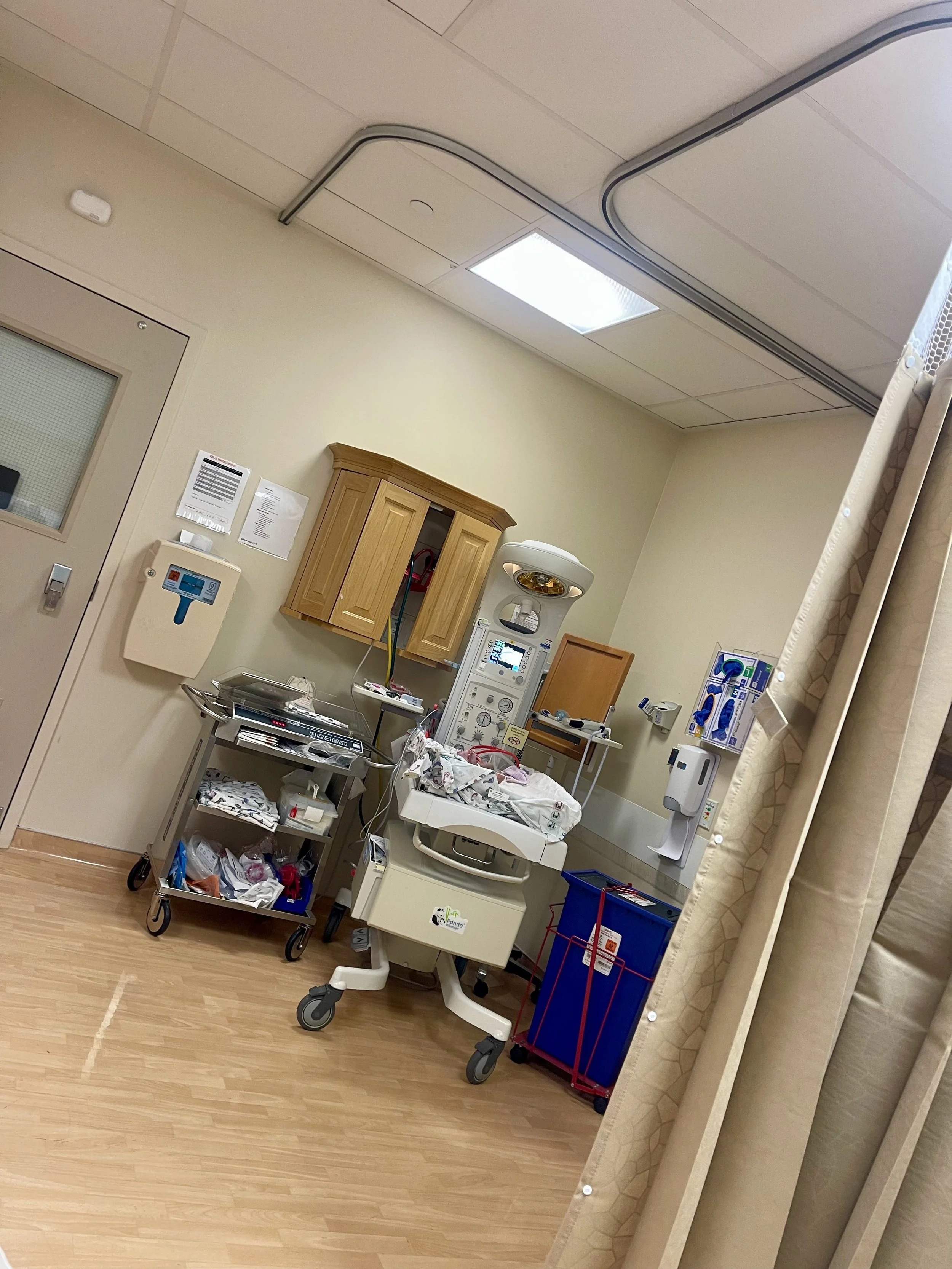
Pacifiers. In the hospital, I learned she liked to suck for comfort, not always because she needed another feeding. And so a pacifier gave her a way to soothe without nibbling on my nipple.
Nightlights in both the bedroom and living room. You don’t need bright overhead lighting at 2 a.m. when you’re trying to find that bib that fell.
A rocking chair for overnight feeds and soothing.
A diaper caddy stocked with diapers, wipes, bibs, burp cloths, and receiving blankets.
A baby carrier. My Ergobaby carrier was super useful for walks and for being hands-free at home.
Muslin receiving blankets and burp cloths. I swear by aden + anais!
Two-way zipper pajamas. This is one of the baby-product upgrades I deeply appreciated compared with my first time around. Midnight diaper changes are much easier when you do not have to completely undress a wiggly baby.
Feeding Newborn Essentials That Make Daily Life Easier
Feeding a newborn is one of those things you conceptually know will take up a lot of your day. But you don’t fully understand it until you’re sitting in the same spot for the fourth time before noon, holding a tiny person who has somehow decided she’s hungry again.
Whether you breastfeed, pump, formula feed, or do a little of everything, you need a setup that works for your actual life. Not the one you imagined while building your registry at 32 weeks pregnant. The real one, where you’re tired, the baby is crying, and you can’t remember where you put the clean burp cloth.
For us, for a time, that meant both breast milk and formula. I needed newborn essentials that gave us options, because babies have a way of making your carefully crafted plan feel adorable yet foolish.
Formula Feeding Essentials
My favorite baby product, by far, is the Baby Brezza formula maker. I know. It sounds a little extra. But at 4 a.m., when you have a hungry baby and exactly zero interest in measuring powder while half asleep, it feels less like a luxury and more like a household employee. It makes a warm bottle quickly, and I would recommend it again without hesitation.
I also used Philips Avent glass bottles because of the benefits of glass. But one thing I forgot from my first round of motherhood was that the nipples that come with the bottles are not always the flow your newborn needs. I had to quickly overnight slow-flow nipples! I’m telling you the bottle itself is only the beginning of the bottle journey.
Then, a bottle brush, nipple brush, and drying rack were all non-negotiable. There are so many tiny bottle parts. You will wash them constantly. And when your hands start peeling (because yes, i still hand wash!), you’ll wonder how one tiny person has created so many dishes.
I also had a lot of bibs, thankfully. Many baby outfits came with them, and later I bought muslin bibs and the cute little collar and ruffle styles. They do not stop spit-up or drool, obviously, but they do make less of a mess and prevent rashes.
The hospital sent us home with a few ready-to-feed formula bottles, which were helpful for the first day or two while I figured out how much breast milk versus formula I would be providing. I did not buy more after that because I had a particular brand of formula in mind and the Baby Brezza handled the warm-bottle situation for us.
And because the formula maker warms the water, I never needed a bottle warmer. This is why I would encourage first-time moms not to buy every feeding gadget in advance. Your baby will make it very clear which things you need. Usually loudly and promptly.
Breastfeeding and Pumping Essentials
When I was pumping, I used the pump Kaiser gave me, and it was great. It could pump one side or both, and I could pump directly into the little bottles that came with it. Simple, effective, and one less thing to research at midnight.
The things I used most were not especially glamorous, but they mattered:
Reusable Lansinoh breast pads, because the leakage is real and doesn’t care what outfit you planned to wear or where you planned to go.
Nipple balm, because pumping and nursing can be rough on the nipples in the beginning. I’d put it on before the breast pads.
Milk-storage bags that stand upright once they are full. A tiny detail, but a helpful one when you are trying to organize milk without creating a small refrigerator disaster.
Feeding supplies both upstairs and downstairs. I have a little diaper caddy in both places because I’ve learned that if you sit down with a hungry baby and the wipes, burp cloths, or bottle are across the house, they may as well be on a whole other continent.
A water bottle and easy snacks. You need both, even if you keep forgetting to drink and eat them!
I bought nursing bras and barely wore them. For the first month or two, I was at home in a bralette, lifting it up when I needed to feed her, or just skipping a bra altogether. I am sure nursing bras are wonderful for some people. I’m only saying you do not need to stockpile them before you know what your actual postpartum life and wardrobe will look like.
I also bought a nursing pillow, but it never quite worked for me. She seemed to outgrow the position quickly, and I could never get her at the right height. It was either too high, too close, or somehow both. It has since been reassigned as a cushion for her to practice sitting, which feels like a perfectly reasonable second career.
And then there is the Huckleberry app, which may be one of my favorite newer-mom tools. I use it to track feeds, diapers, and sleep because there is a point in the newborn stage when you genuinely cannot remember whether the baby ate 45 minutes ago or three hours ago. The app helps me keep the details straight and adjusts as she grows.
Diapering and Newborn Care Essentials
Diapering is not glamorous, but it is relentless. You will change a diaper, sit down for approximately four minutes, and then hear the unmistakable sound that tells you it is time to begin again.
My goal was not to create a Pinterest-worthy changing station. Instead, it was to be able to change baby girl wherever I was without having to search the house for wipes while she is actively trying to put her foot in the diaper.
We were gifted a lot of diapers, and three months in, I still have not had to buy any! That has been wonderful. What helped most was that people gave us different sizes and brands instead of 14 cases of newborn diapers. We went through maybe one or two cases of newborn size before moving to size one, which happens faster than you think.
So, do not overstock newborn diapers. Your baby may grow quickly. Or they may have a very strong opinion about which diaper brand they will tolerate, despite contributing nothing to the household budget.
For us, Huggies are not it. I did not love them with Ava, and I was reminded pretty quickly that I do not love them with Eden either. I also have thoughts about wipes. WaterWipes are nicely saturated, which I appreciate, but the packaging is strangely difficult to open and close when you have one hand available. And then Huggies wipes feel thin and a little dry to me. This is why I think variety is useful at the beginning. You will figure out what works for your baby, your hands, and your personal tolerance for wrestling with packaging during a blowout.
Here are the newborn diapering essentials I actually use:
Diapers in newborn and size one, without buying too much of either.
Wipes from a few brands.
Diaper cream, even if you don’t need it right away. We have it and, thankfully, have barely had to use it.
Portable changing mats upstairs, downstairs, in the car, and in every diaper bag. I want to be able to change her wherever we are without creating a whole event.
A diaper pail upstairs. I absolutely swear by it. It contains the smell and saves you from taking the trash out every day, which is a small but meaningful gift to your future self.
Small diaper bags for especially fragrant diapers downstairs or on the go. They are not cute, but neither is a poopy diaper sitting in the trash can until tomorrow.
Baby detergent. You need to wash baby clothes before they wear them, and adult detergent can be a little harsh.
I skipped the changing table and countertop changing pad. I had one with Ava and barely used it. In real life, you can change a baby on a safe, clean surface almost anywhere. A portable mat is much more useful than dedicating an entire piece of furniture to a task you will eventually do on the floor, the bed, the couch, and, at least once, the backseat of your car.
For health and grooming, I kept things simple. I use regular baby nail clippers because the electric nail files look very fancy, but I was not looking to add another device to learn and charge. I keep saline drops and a nasal aspirator on hand because baby congestion is stressful enough without having to run to the store. I use a forehead or underarm thermometer because I cannot personally bring myself to use a rectal thermometer.
I didn’t buy baby medication until after her first round of shots. Once you are at that point, ask your pediatrician what they recommend keeping at home and how to use it safely. It is nice to have a plan before you are standing in the pharmacy aisle at 9 p.m., reading labels with a fussy baby in the car seat.
For baths, we have a compact folding infant bathtub with a newborn insert. It looks a little like a large, very nice piece of Tupperware, but its easy to use, folds away when we don’t need it, and grows with her. That is all I ask of a baby bathtub: hold the baby safely, not take over my bathroom, and avoid becoming one more thing I have to find a place for.
Newborn Essentials for Leaving the House
The first time you leave the house with a newborn, it can feel like you are preparing for a small and scary expedition. You have a baby who may need to eat, poop, spit up, or have a complete meltdown at any moment, and somehow you’re supposed to be ready for all of it before you even make it to your destination.
The good news is that you don’t need to bring your entire house. You just need a few newborn essentials that make it possible to handle the chaos without turning every outing into a packing emergency.
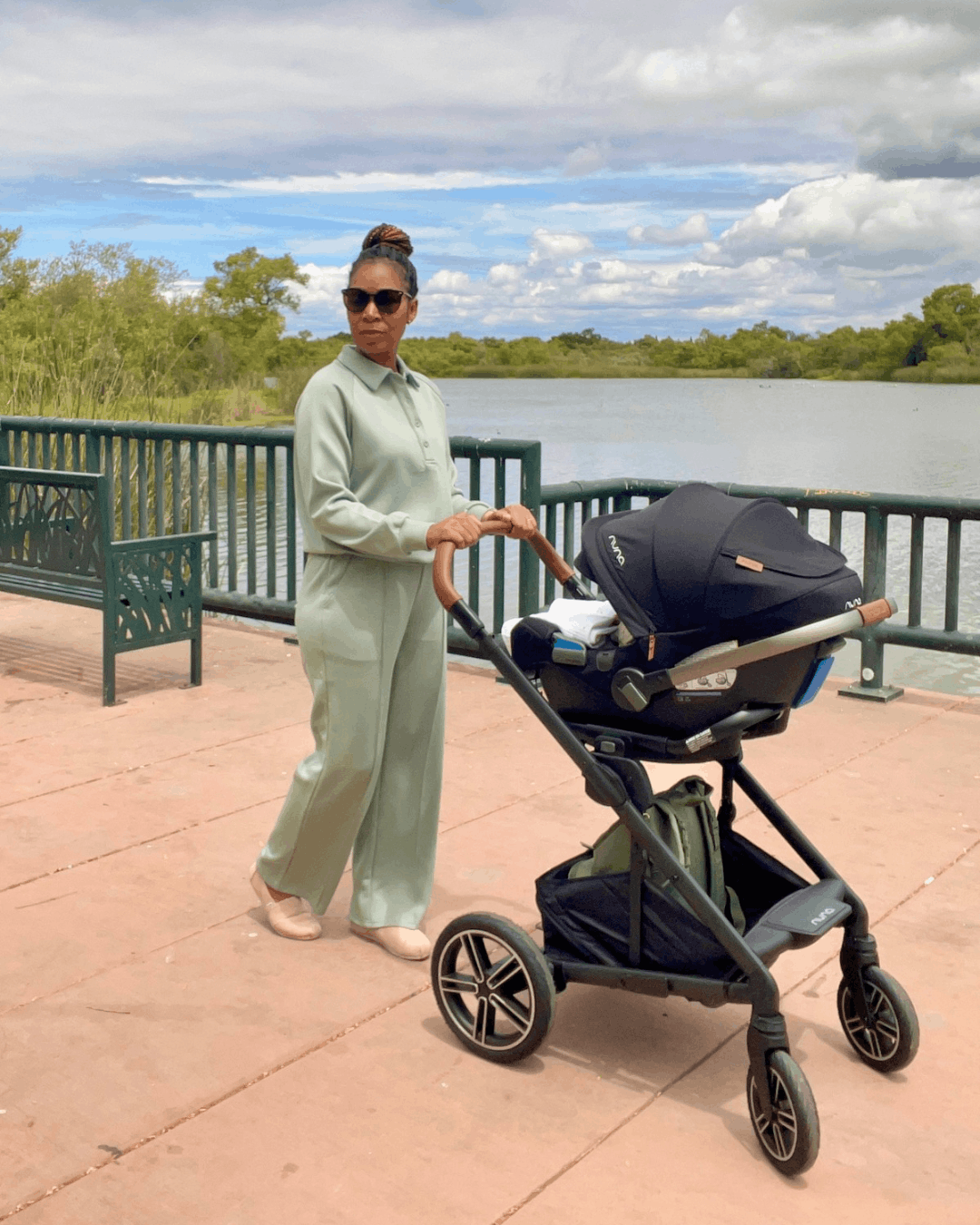
For me, the car seat was worth the splurge. We chose the Nuna PIPA RX and the corresponding stroller because safety, comfort, and ease of use mattered to me. I wanted something that felt secure, looked good, and did not make me feel like I needed an engineering degree to click the baby in and out. We had it installed by week 36, which I highly recommend. By the end of pregnancy, there are enough things to think about without adding “learn how to install a car seat” to the list.
Eddie has a less expensive Graco car seat in his car, which works perfectly for the amount he is with her. Not every item needs to be top of the line in every location. Sometimes you need one beautiful, very nice setup and one reliable setup that gets the job done.
The newborn essentials I keep within reach when we leave the house are:
A sturdy diaper bag with compartments. I need pockets and sections. I need to know exactly where the wipes are when I am holding a baby with one hand and trying to clean up a public blowout situation with the other.
A second bag for your partner or caregiver. It makes handoffs much easier when everyone is not digging through the same bag or moving things from bag to bag.
A portable changing mat. You will use it in places you never expected to change a diaper, and you will be glad you brought it.
Wet bags for blowouts, spit-up clothes, and the occasional mystery mess. They are one of those small things that make you feel wildly prepared.
A baby carrier for appointments, walks, and quick errands. My Ergobaby carrier is especially helpful when I want to be hands-free or when I do not feel like unfolding a stroller just to run into one store.
One of the most underrated newborn essentials is simply having what you need already packed. Future you, standing in a parking lot with a hungry baby and no clean onesie, will be very grateful.
Postpartum Recovery Essentials for Mom
The fourth trimester is not only about the baby! You’re recovering too, even though the world tends to immediately shift its attention to the tiny, adorable person you just delivered.
After a vaginal birth, I found postpartum disposable underwear much easier than trying to layer pads and hope for the best. I wore them home from the hospital and for about two weeks afterward. They were comfortable, absorbent, and made me feel a little more secure during a season when my body was doing a lot of unexpected things.
My postpartum recovery essentials were:
Postpartum disposable underwear
Ice packs and witch hazel pads
Stool softener, as directed by my care team
A basket in my nightstand with chargers, lip balm, medication, and anything else I might need without having to stand up and go find it
I also continued alternating Tylenol and Motrin at home according to my provider’s instructions. One day, I forgot, and I felt like I had been hit by a truck. Not in a poetic, “new motherhood is hard” way. In a very literal, why-does-my-whole-body-hurt way!
Your own recovery plan should come from your clinician, especially if you had complications, have other medical conditions, or take medication regularly. Postpartum pain management is not one-size-fits-all. But if your care team tells you to stay ahead of the pain for a while, believe them. You do not get extra points for trying to tough it out while healing from childbirth and keeping a newborn alive.
And then there is food. The first few weeks at our house involved a lot of Uber Eats. People did not bring meals, but several friends and family members sent Uber Eats gift cards, which was honestly just as helpful. When you’re tired, healing, holding a baby, and trying to remember whether you ate lunch, having dinner handled is a gift.
If someone asks what you need after the baby comes, do not be afraid to say a meal-delivery gift card. Its practical, useful, and may be the difference between a real dinner and eating crackers over the sink at 9:30 p.m.
The Support Essentials You Cannot Put on a Registry
Some of the most important newborn essentials are not products. No one can wrap them, put them in a gift bag, or add them to your registry with a cute little note. But they may be the things that get you through the first few months.
For us, one of those things was having a clear plan for visitors. We did not have anyone over during the first month. Once she was a month old, we opened our home to close family only. After her two-month shots, I felt more comfortable being flexible.
That was the right choice for me. It gave us time to learn her, recover, and figure out our own rhythm without feeling like we needed to host people while wearing postpartum underwear and trying to remember the last time we showered.
Every family will make different choices around visitors, and there is no universal rule. But it helps to decide your boundaries before people start asking. It is much easier to say, “We are keeping things quiet for now,” when you have already made the decision than it is to negotiate your comfort level while you are tired, hormonal, and managing a new baby.
The support essentials I would add to every new-mom checklist are:
A shared plan for overnight responsibilities. It does not have to be perfect, but everyone should know who is doing what when the baby wakes up at 2:17 a.m.
A short list of people you can actually call. The people who will bring food, run to the store, hold the baby while you shower, or sit with you for an hour without expecting you to entertain them.
Your pediatrician’s number saved in your phone. You do not want to be searching for it when your baby has a weird cough, a fever, or a diaper that has you talking to ChatGPT.
Your postpartum provider’s number saved too. You are a patient, not just the person who brought the baby to the appointment.
Permission to say no to visitors. Even if they are excited. Even if they mean well. Even if they bought a very cute outfit.
Permission to buy something later. You do not need to own every newborn product before your baby arrives. You can wait, see what your baby needs, and order it at 11:43 p.m. from your phone like the rest of us.
The fourth trimester is not about having every baby product or getting every decision right. It is about learning your baby, adjusting as you go, and giving yourself enough support to make the hard parts a little easier.
Start with the basics. Keep the burp cloths nearby. Accept the meal gift card. Let someone hold the baby while you shower. And trust that you can buy the rest once your baby arrives and makes their preferences clear.
For more real-life motherhood and postpartum reflections, follow me on Instagram!
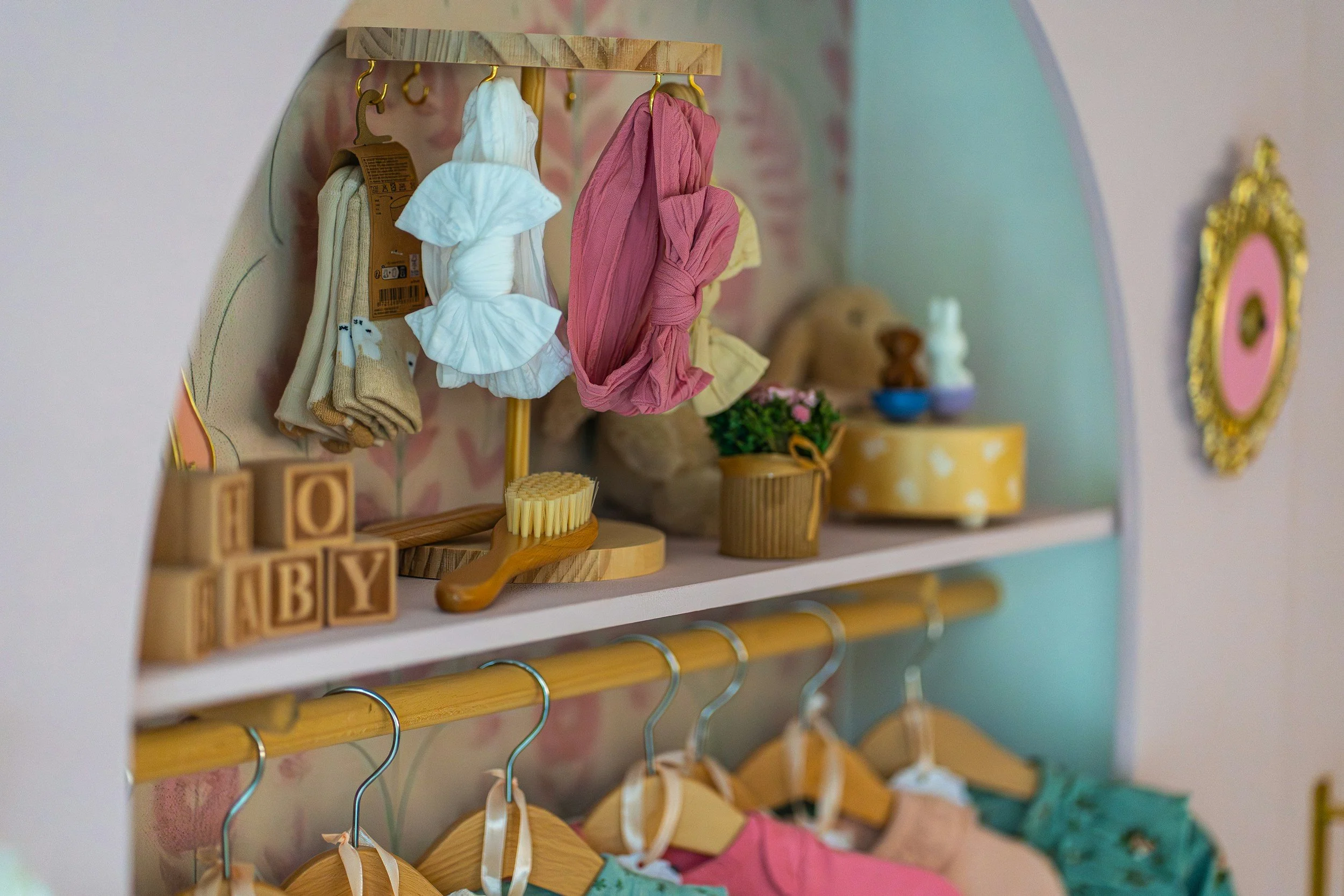

A practical fourth trimester guide for first-time millennial moms, covering newborn essentials for sleep, feeding, diapering, recovery, leaving the house, and getting real support.